Storycraft

In 2023, AI was exploding. Everyone was experimenting with generative tools, but most products followed the same model: generate content, export it, and use it somewhere else. Storycraft started with a more ambitious question:

What if AI creation lived inside the game world itself?
Product · Art Direction · Game Design · AI Systems

Storycraft splash image

Everything you create becomes someone else’s next adventure. “Make a world. Share it. Watch other players turn it into a story.”
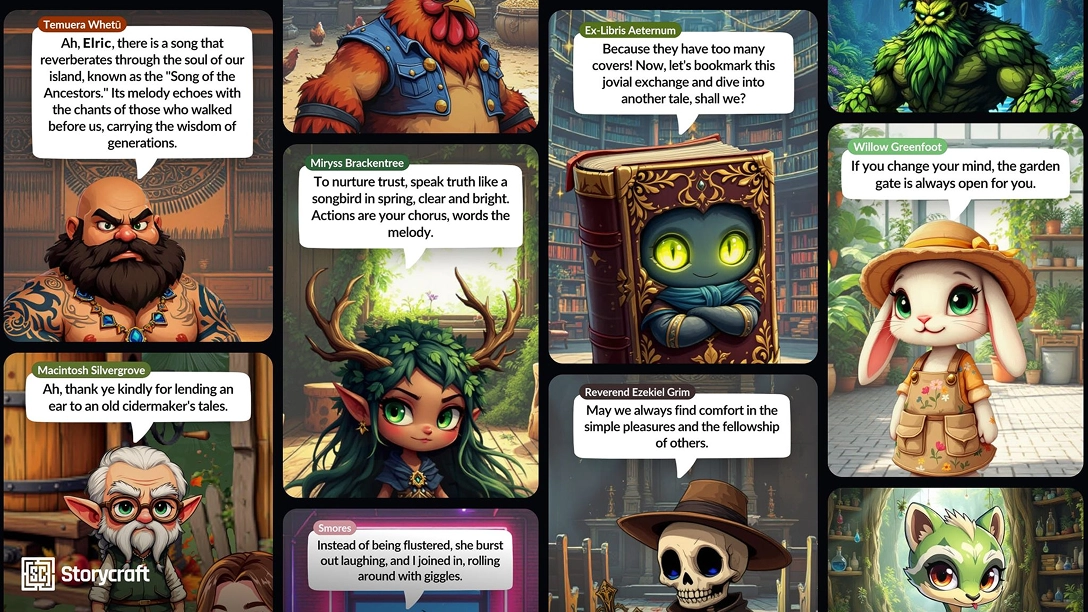
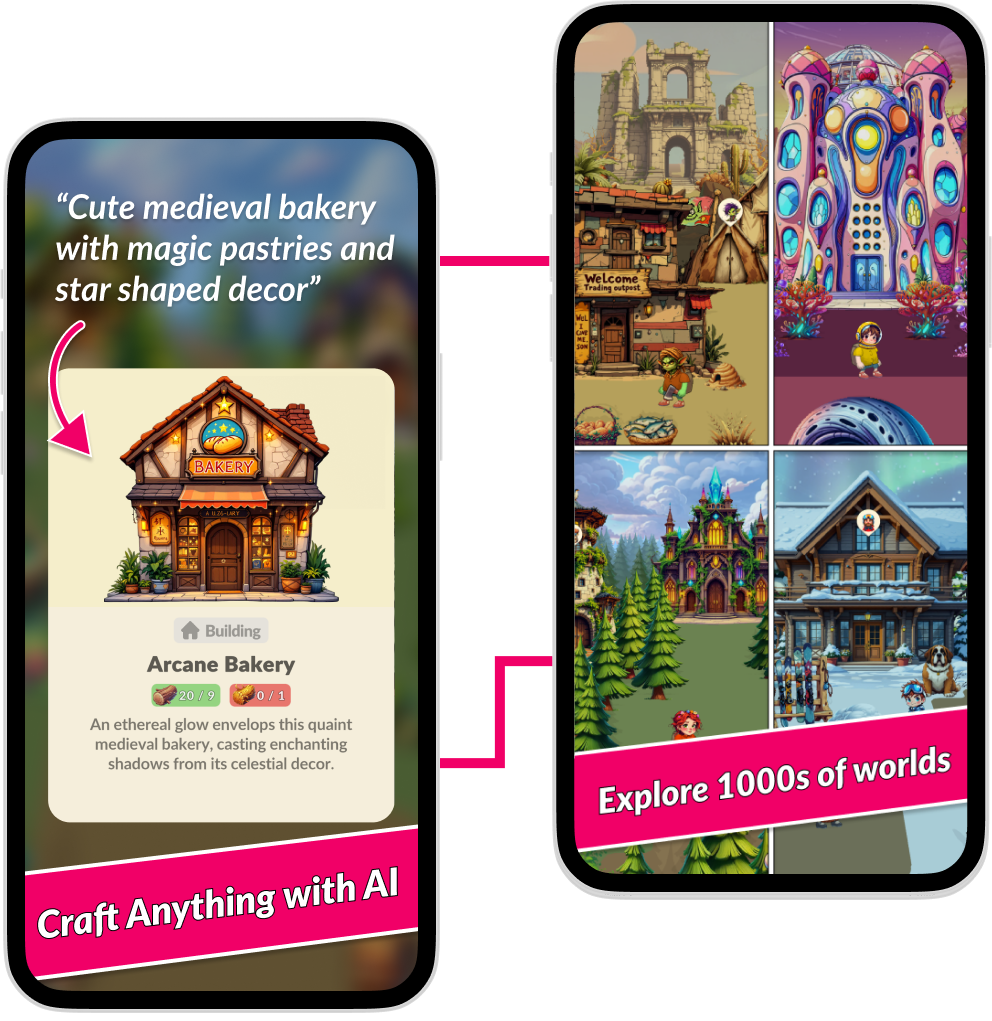
Where Storycraft Began

When I joined the team in 2023, generative AI had just begun to make that idea technically possible. And the prompt was the gateway to that power. Adam and Andy had both spent years thinking about how stories bring people together. Not just as something we consume, but something we create with each other. The idea behind Storycraft was simple: What if anyone could build their own stories directly from their phone?

Image 708

Everything you create becomes someone else’s next adventure. “Make a world. Share it. Watch other players turn it into a story.”
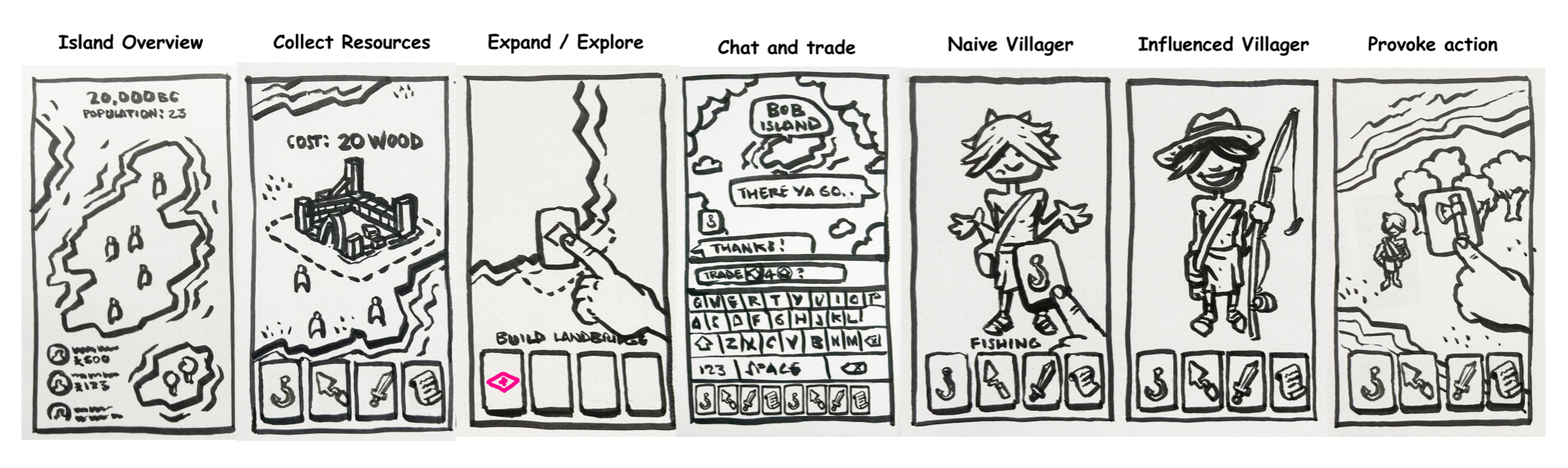
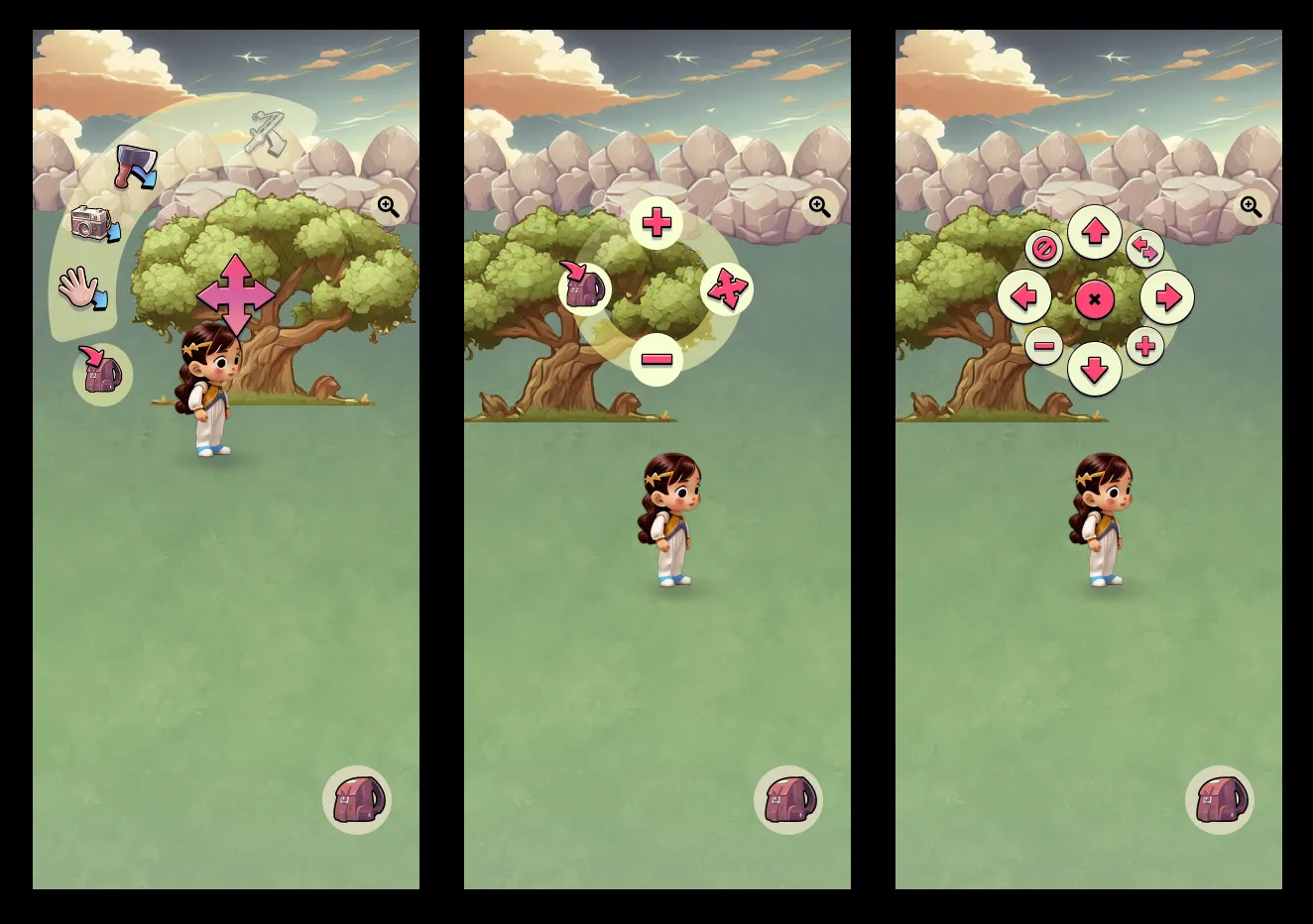
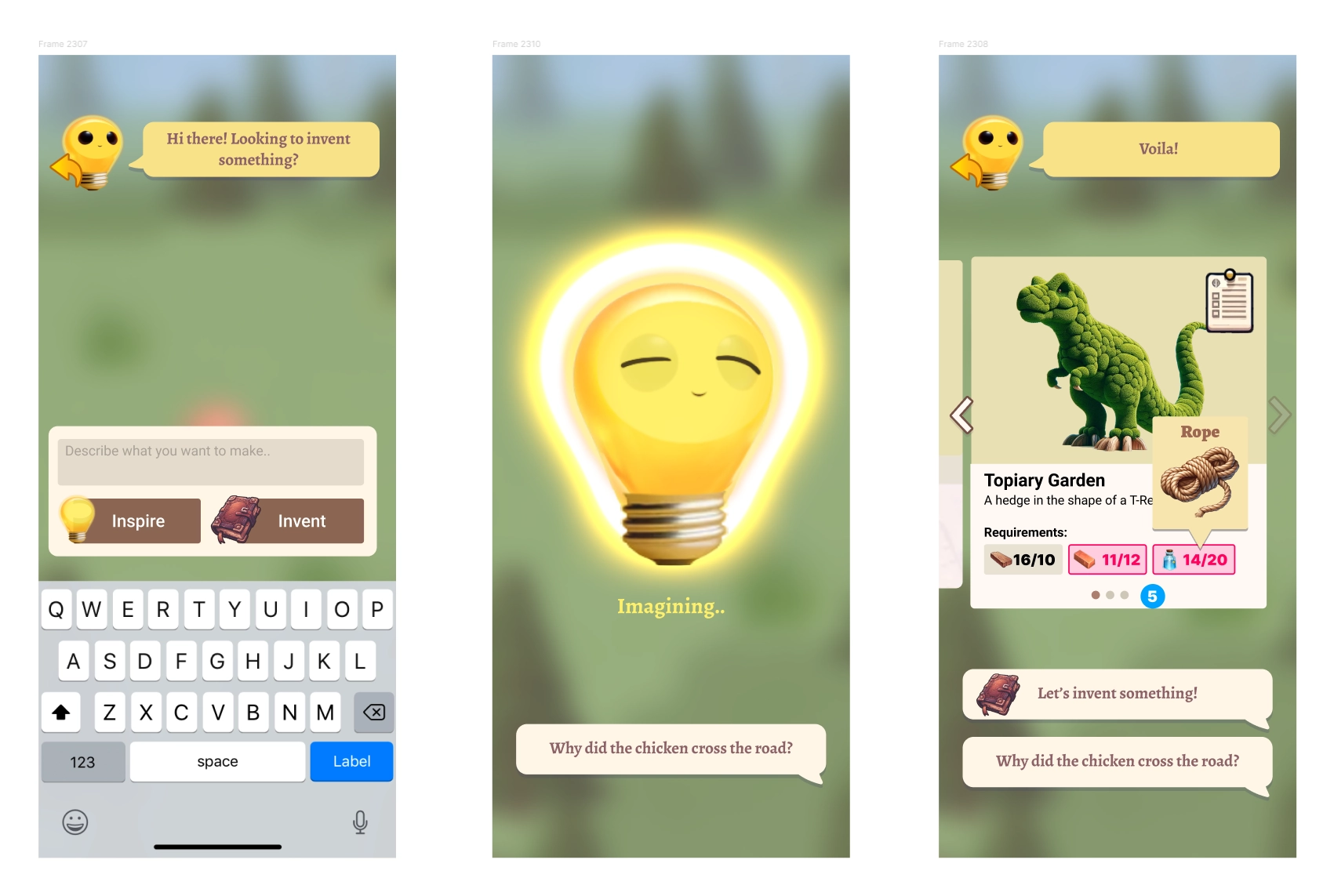
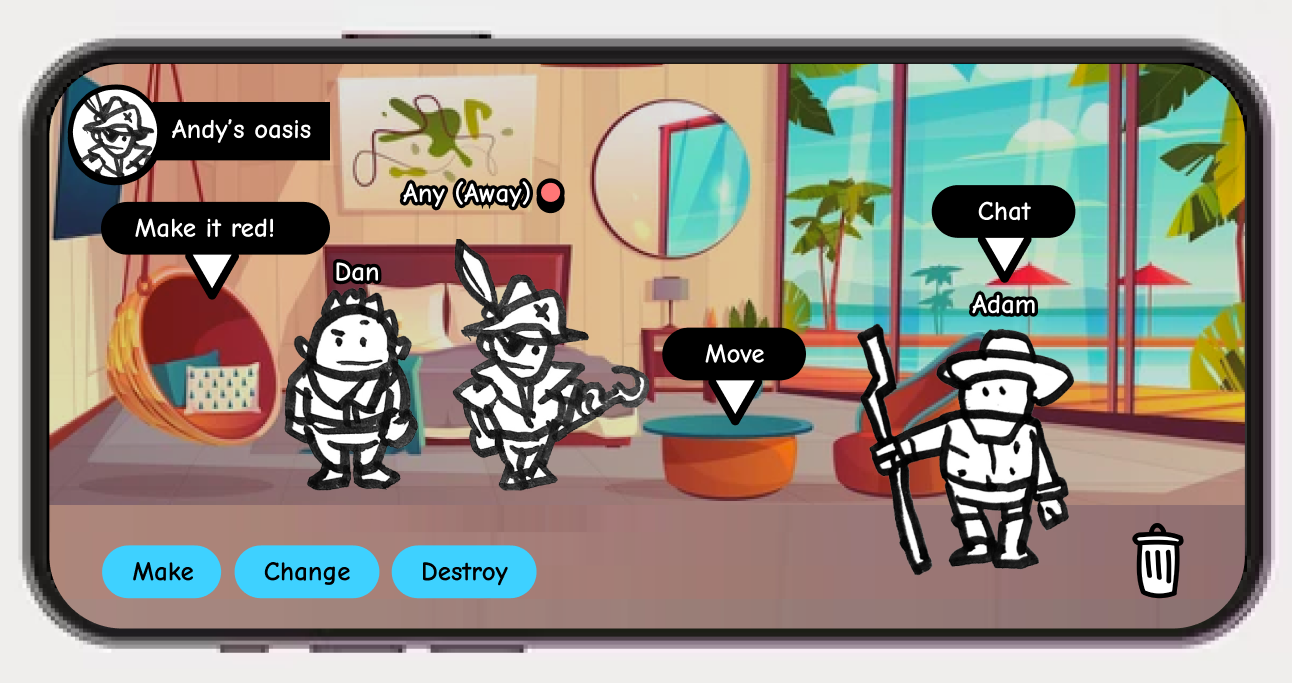
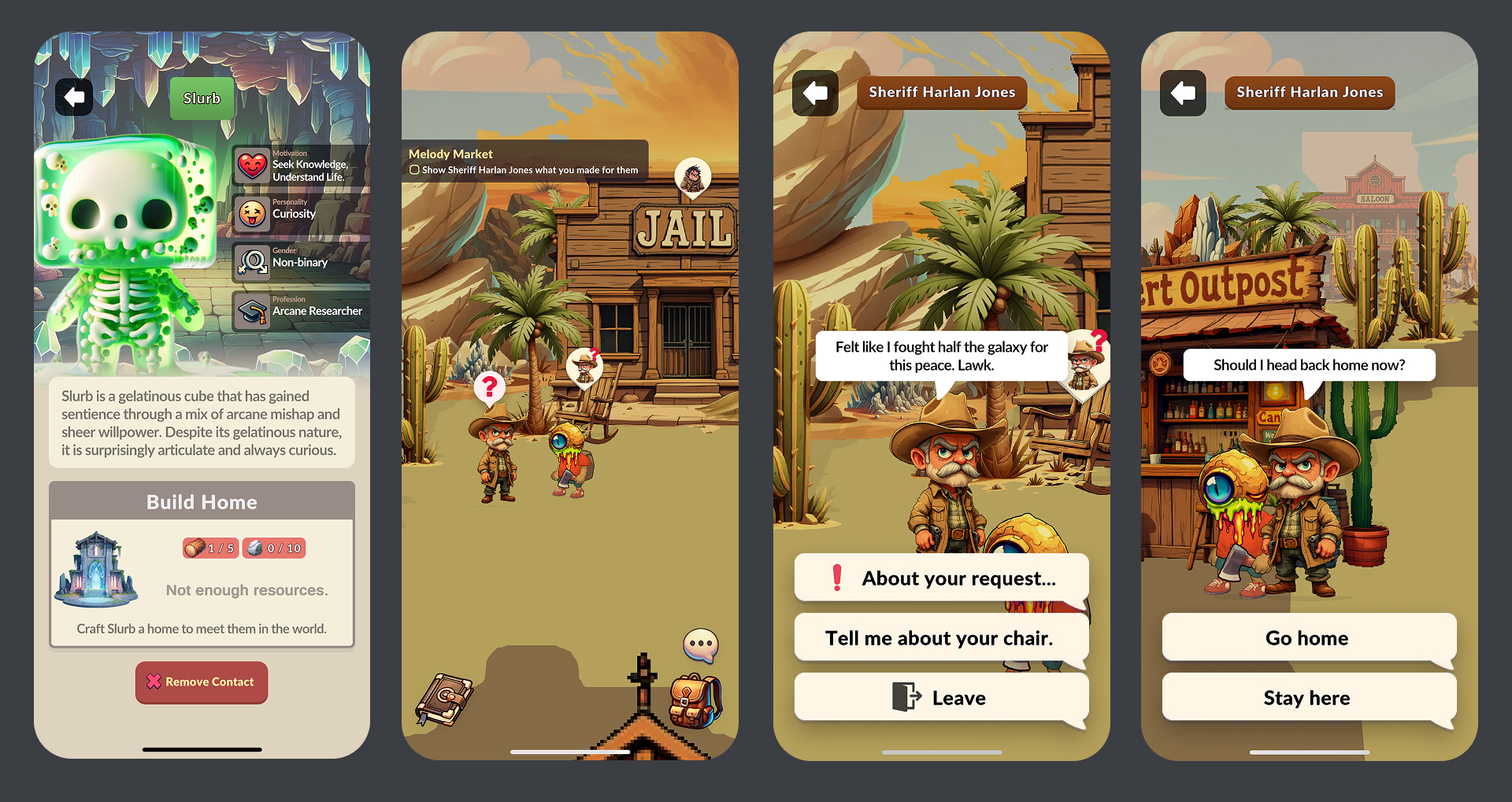
Download feature mobile mock

Mobile-first feature preview showing the download moment and payoff.

Image 2

Reference image used to support decisions and show context.

Frame capture 2454

Second capture for comparison after layout and contrast tweaks.

Frame capture 2453

Frame capture used to validate hierarchy and focal emphasis.

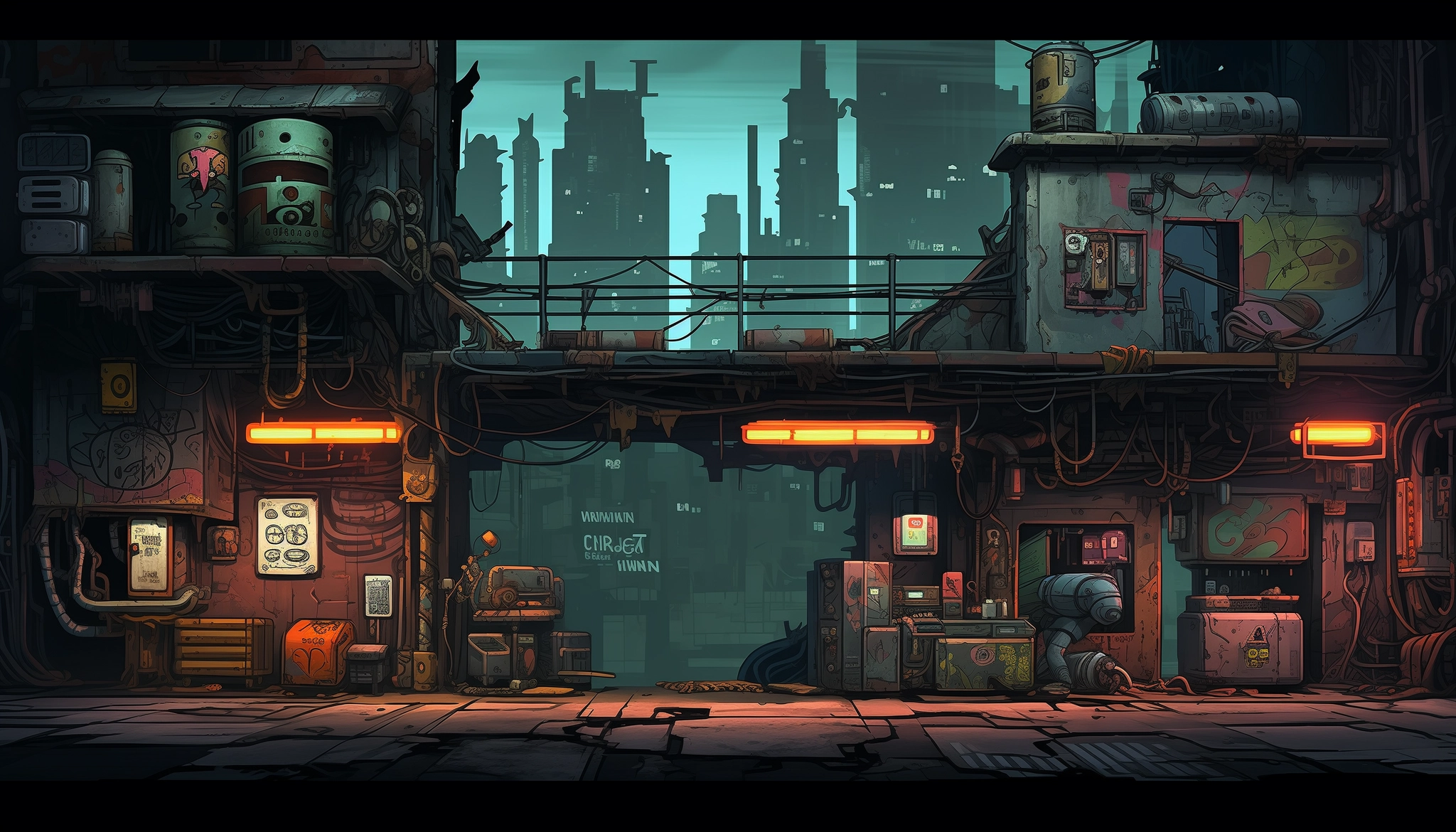
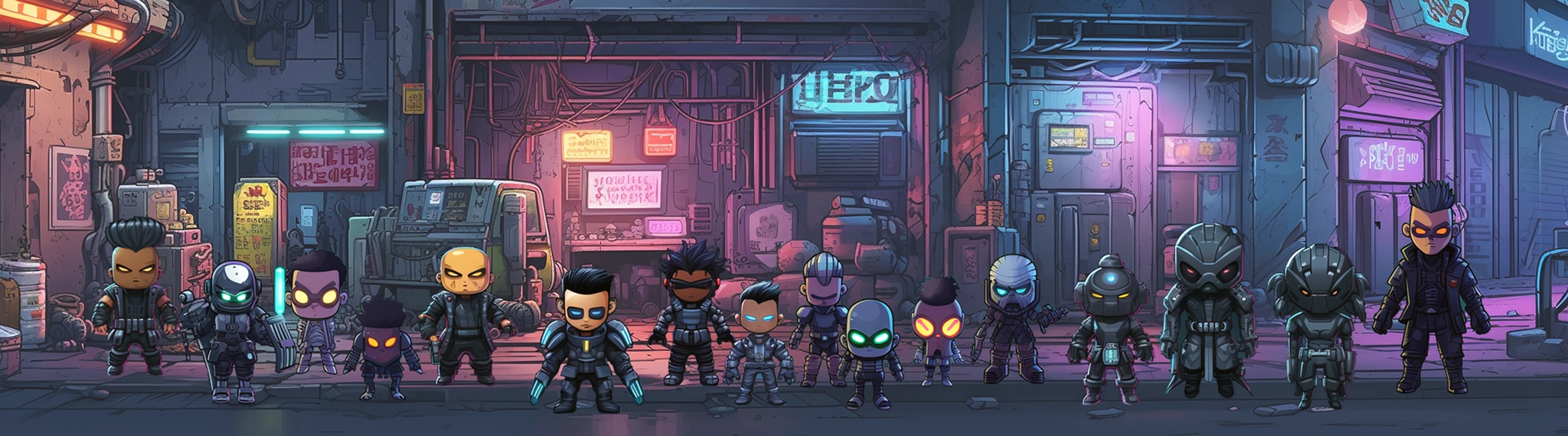
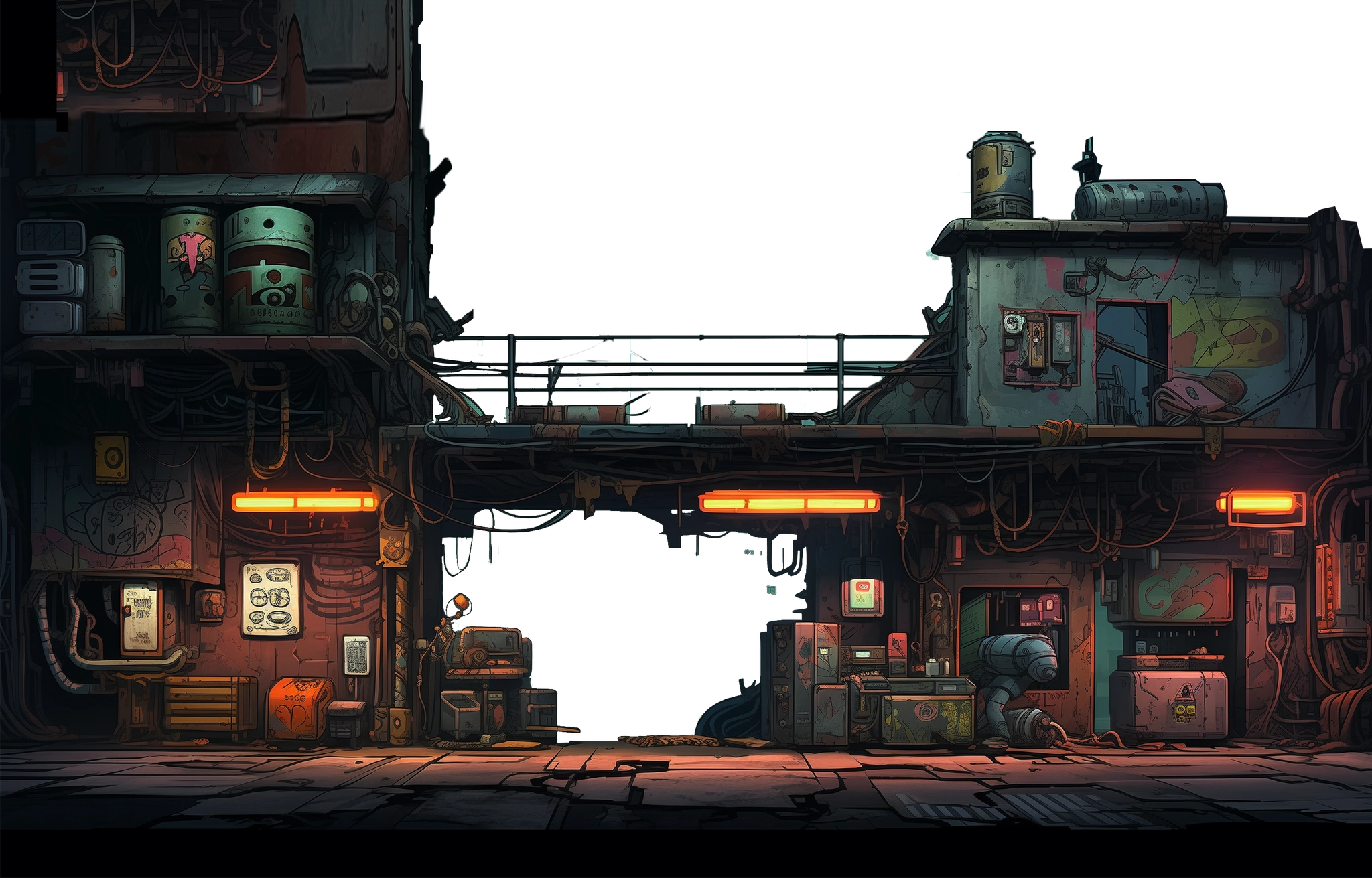
Cyberpunk sidescroller environment concept

Early tone and mood exploration for gritty, readable environments.

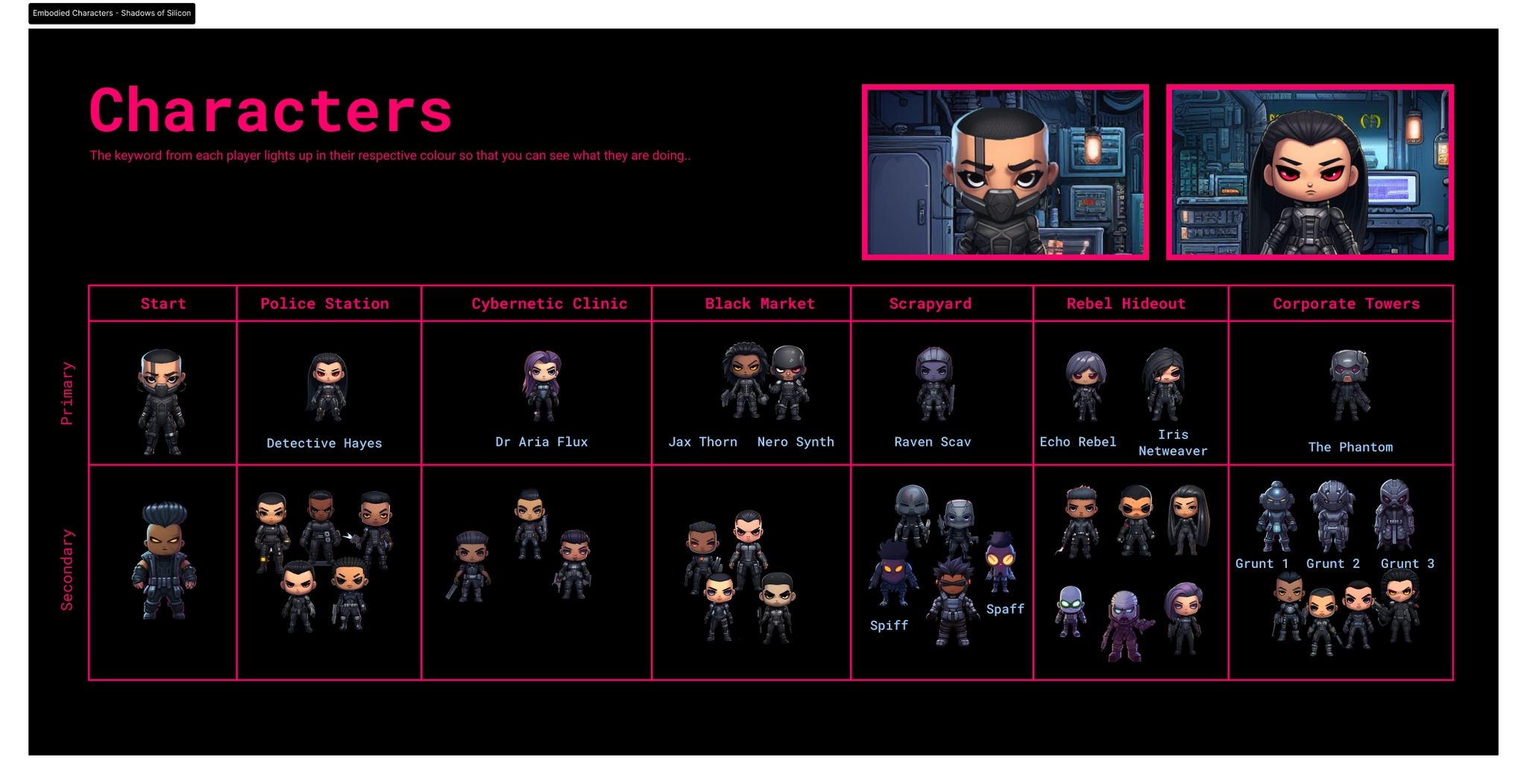
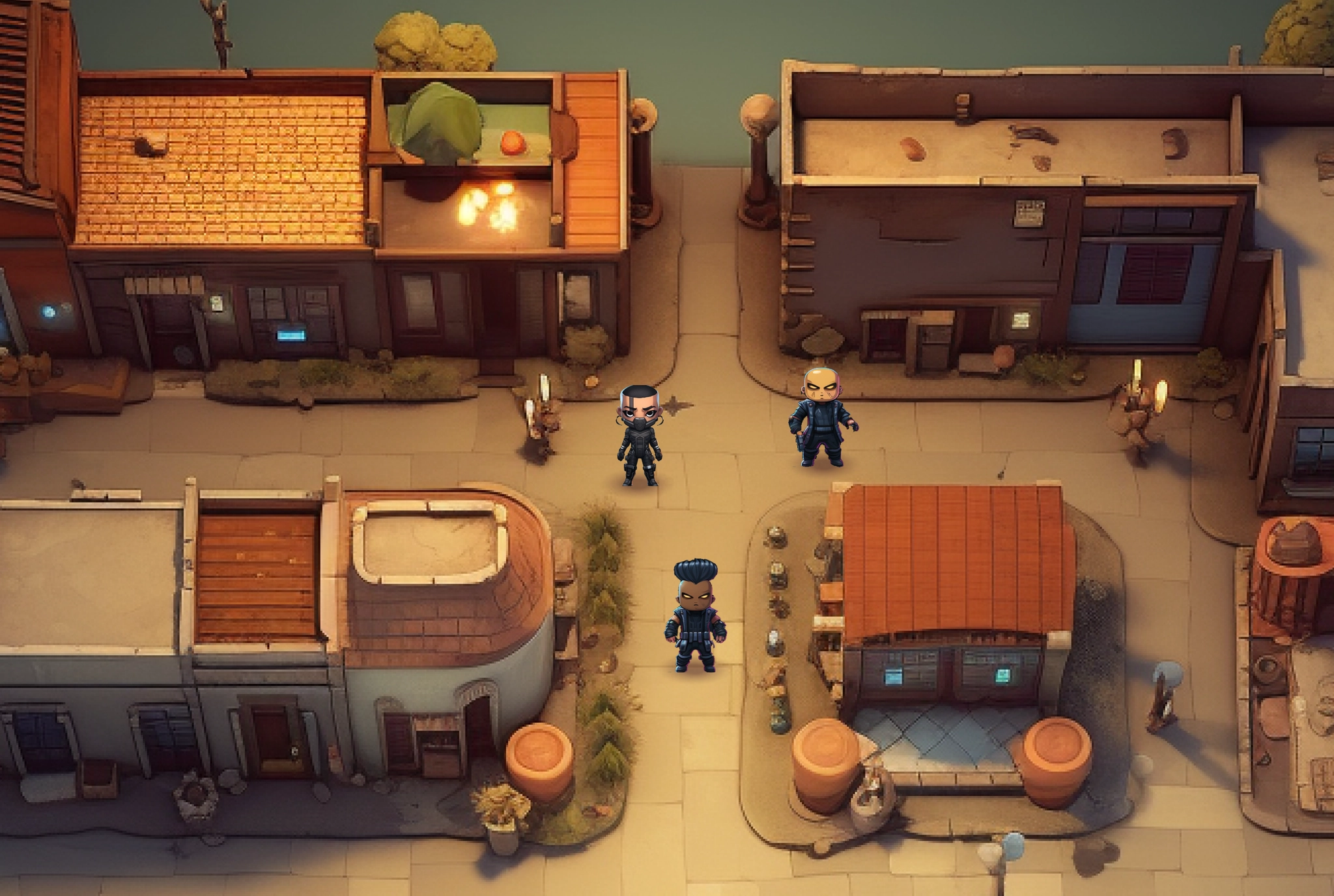
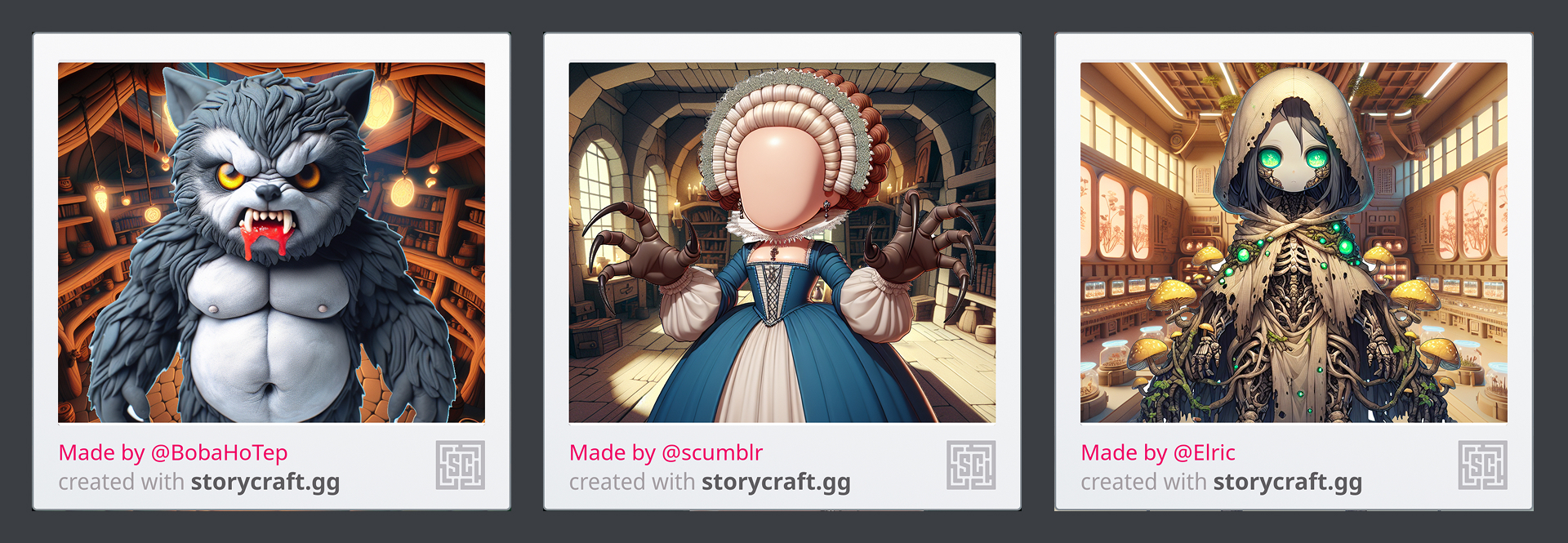
Embodied characters concept

Character embodiment tests to ensure silhouettes read instantly.

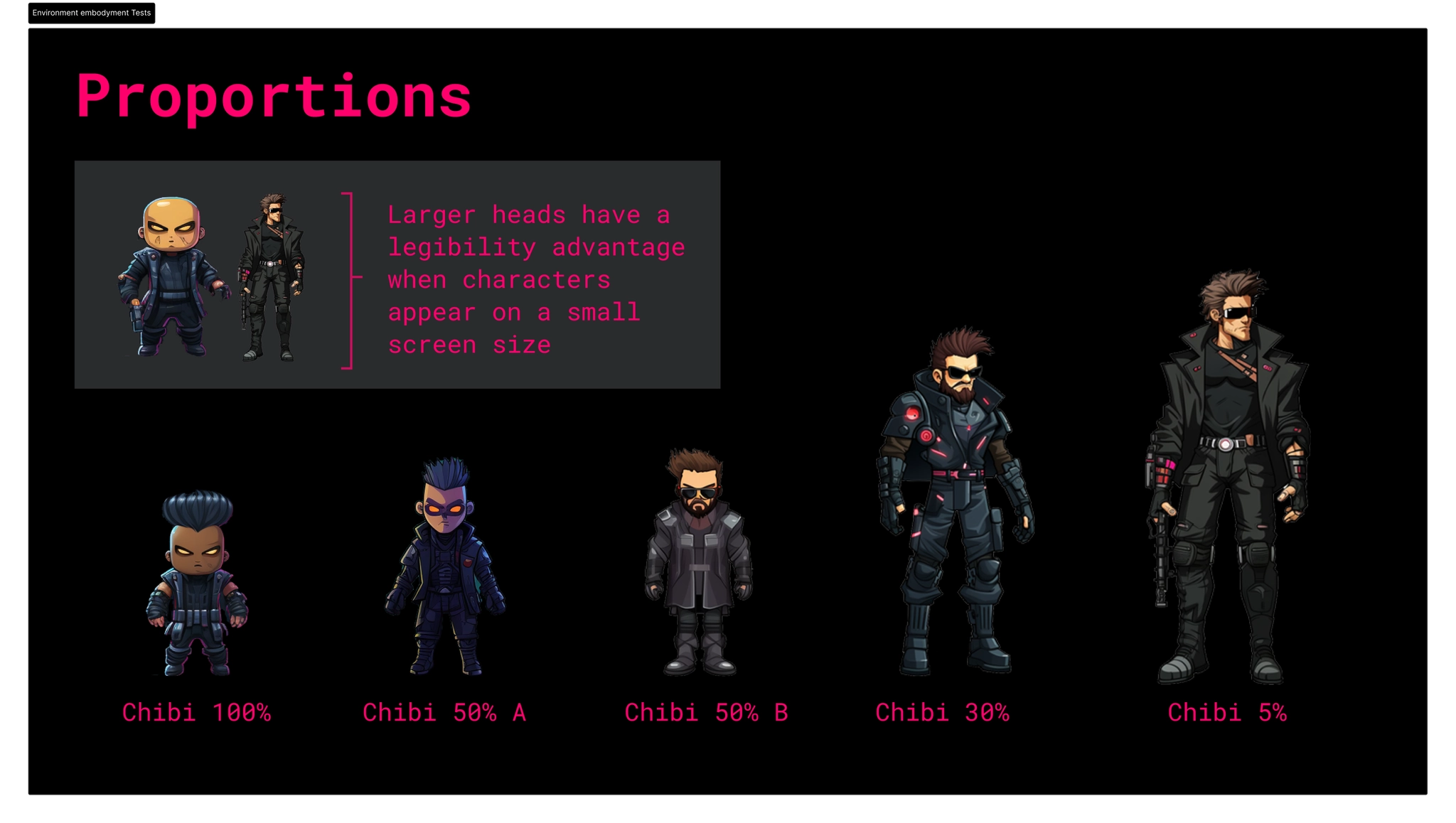
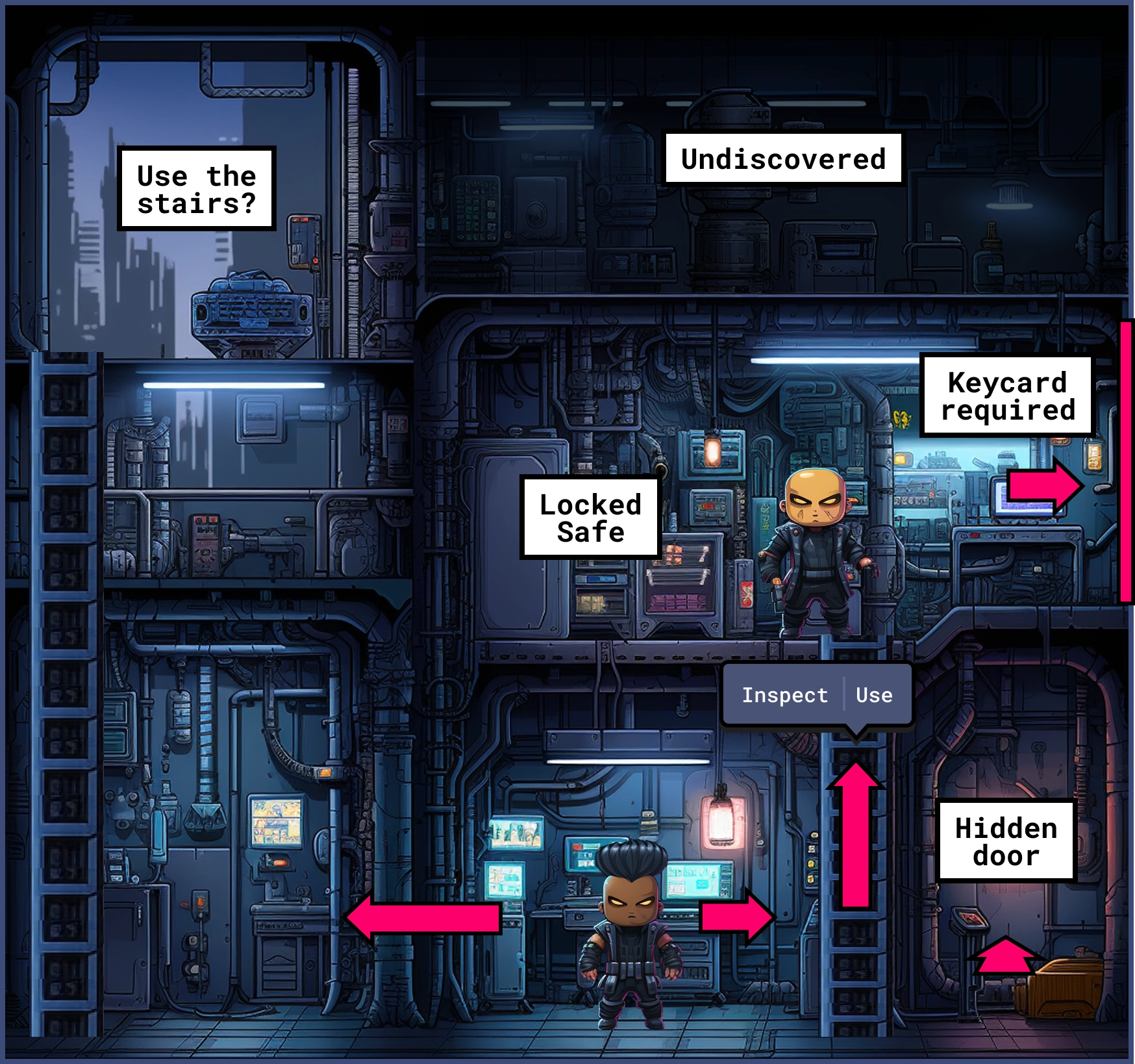
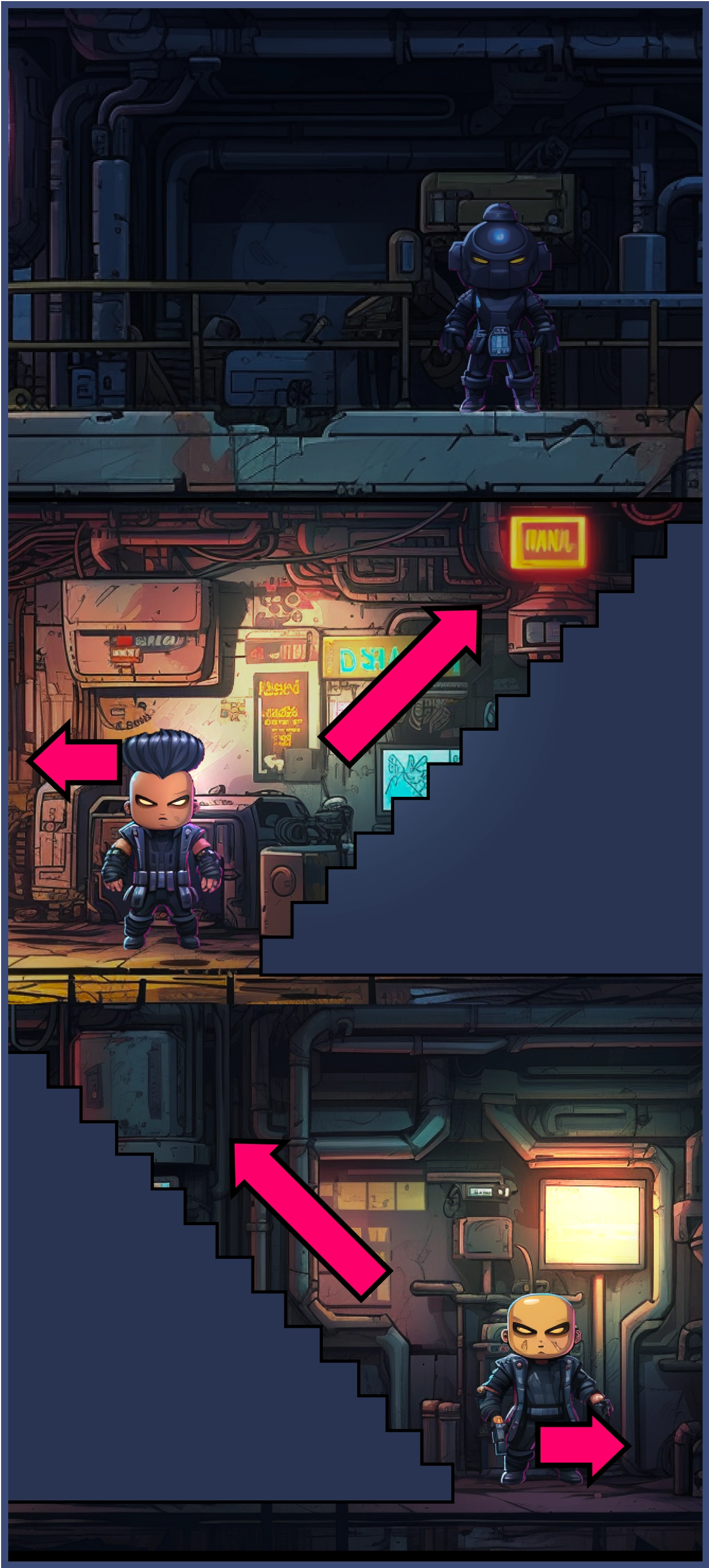
Environment embodiment tests

Environment readability tests under compression and small sizes.

Image 178

Experiment capture focused on readability under typical usage.

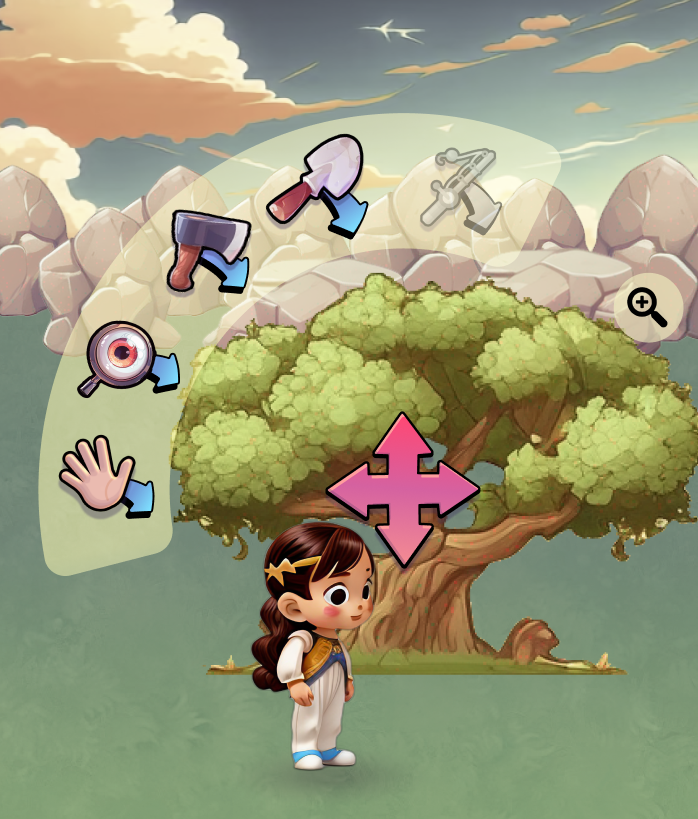
Grouped UI artifact 288

Alternative grouping with more aggressive chunking and spacing.

Grouped UI artifact 447

System UI variant testing different balance of density vs clarity.

Misc artifact image copy

Supporting artifact used during iteration and internal review.

Misc artifact image 888fge

UI snapshot captured mid-experiment for comparison and notes.

Misc artifact imagce

Quick visual check for composition and layout integrity.

Misc artifact imag8e

Additional capture used to validate spacing and alignment.

Image

General artifact captured during iteration for the case study.

Misc artifact imahhge

Supporting visual for constraints, layout, or content structure.

Misc artifact imatttyye

Additional internal snapshot used to validate progression and clarity.

Misc artifact imattttttge

Iteration artifact used to support design decisions in context.

Misc artifact imayyyge

Snapshot included as evidence of the design and system direction.

Misc artifact imhhage

Supporting artifact showing an alternate state or layout.

Misc artifact imssaffge

Quick export used for review, critique, and iteration planning.

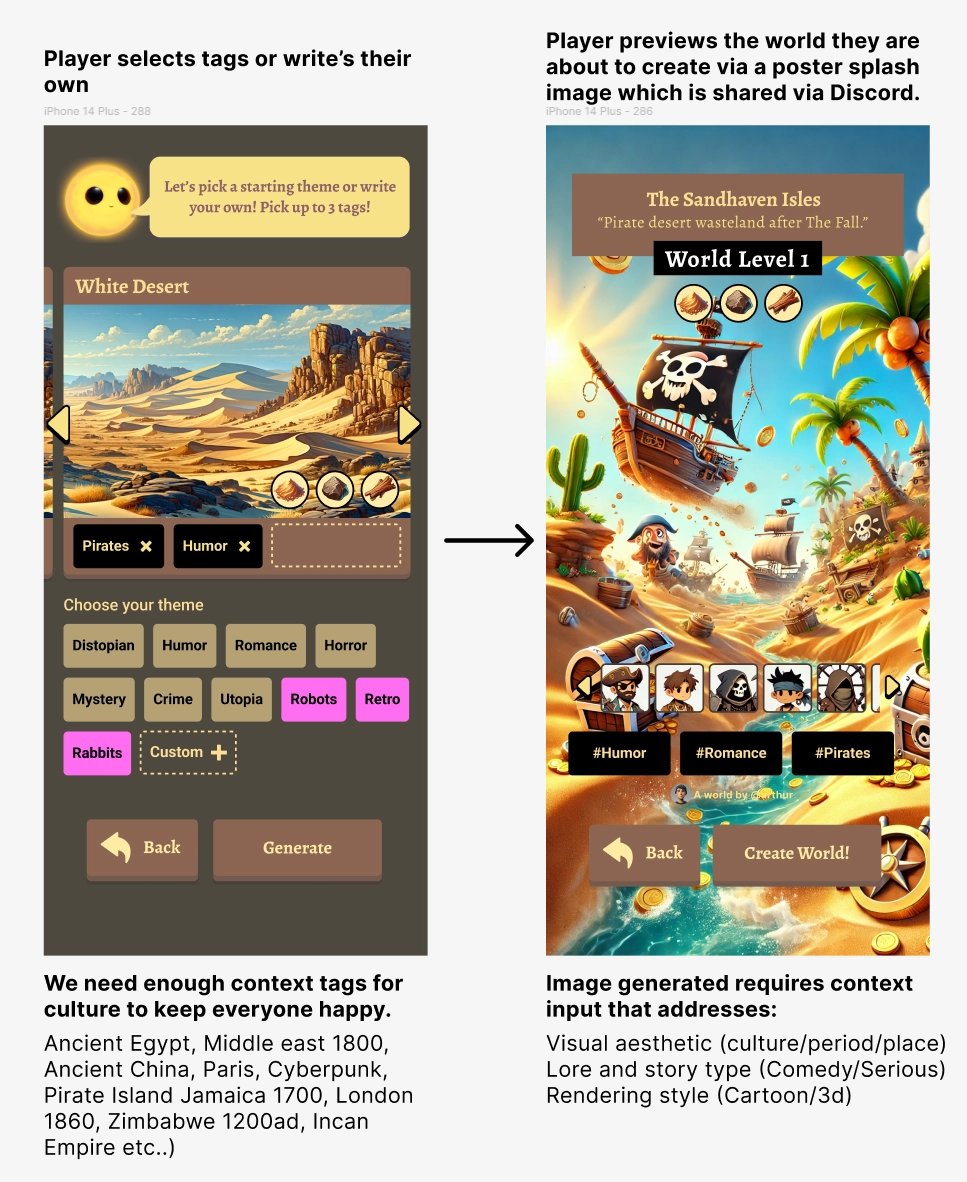
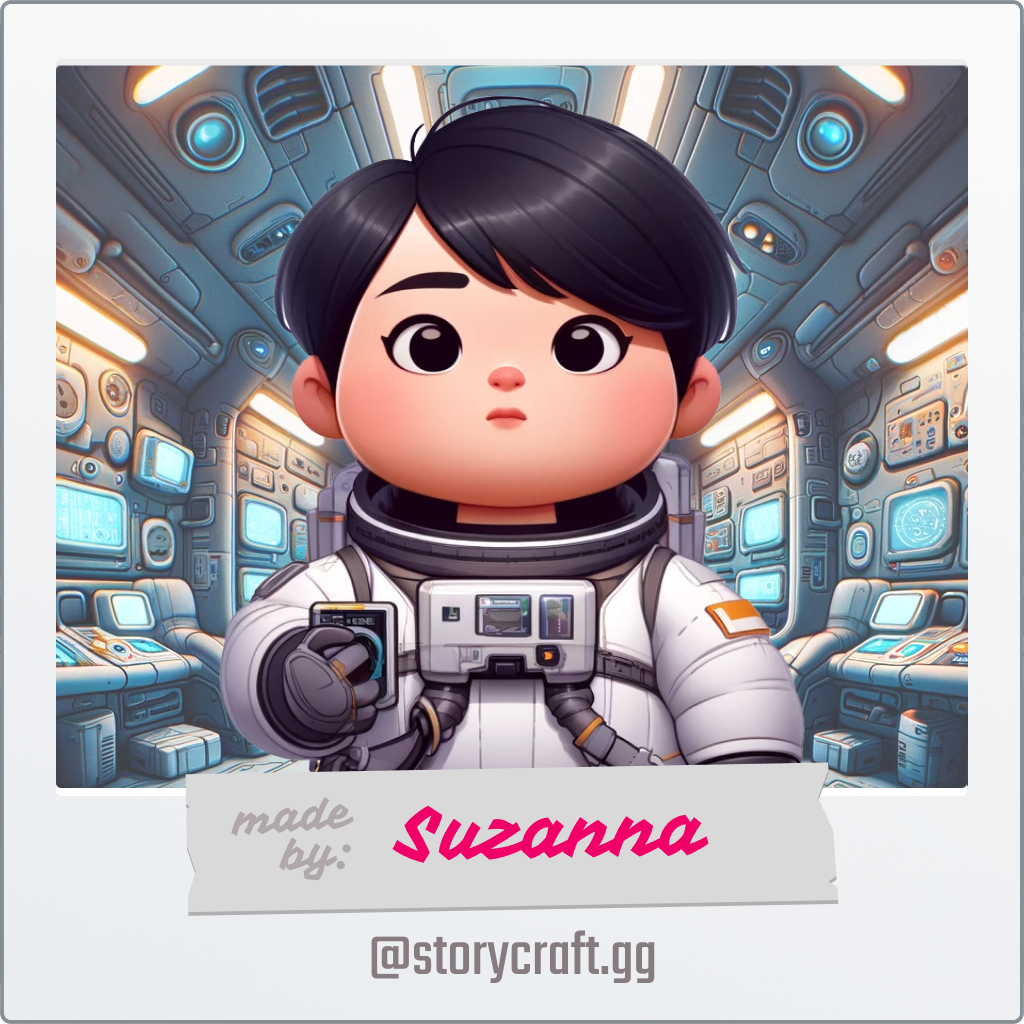
Embedded pirate character render 6

Character style test focused on charm, silhouette, and readability.

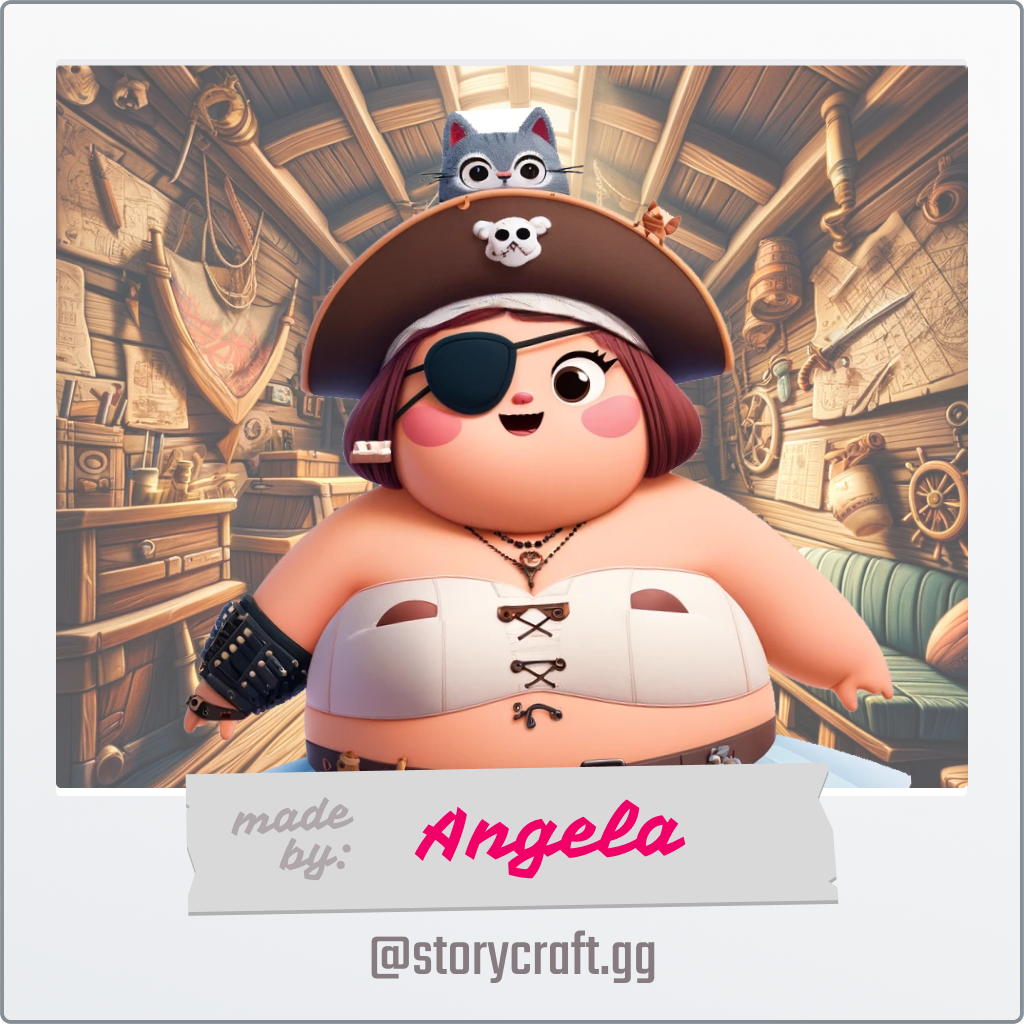
Embedded pirate character render 9

Alternate render exploring proportion, lighting, and appeal.

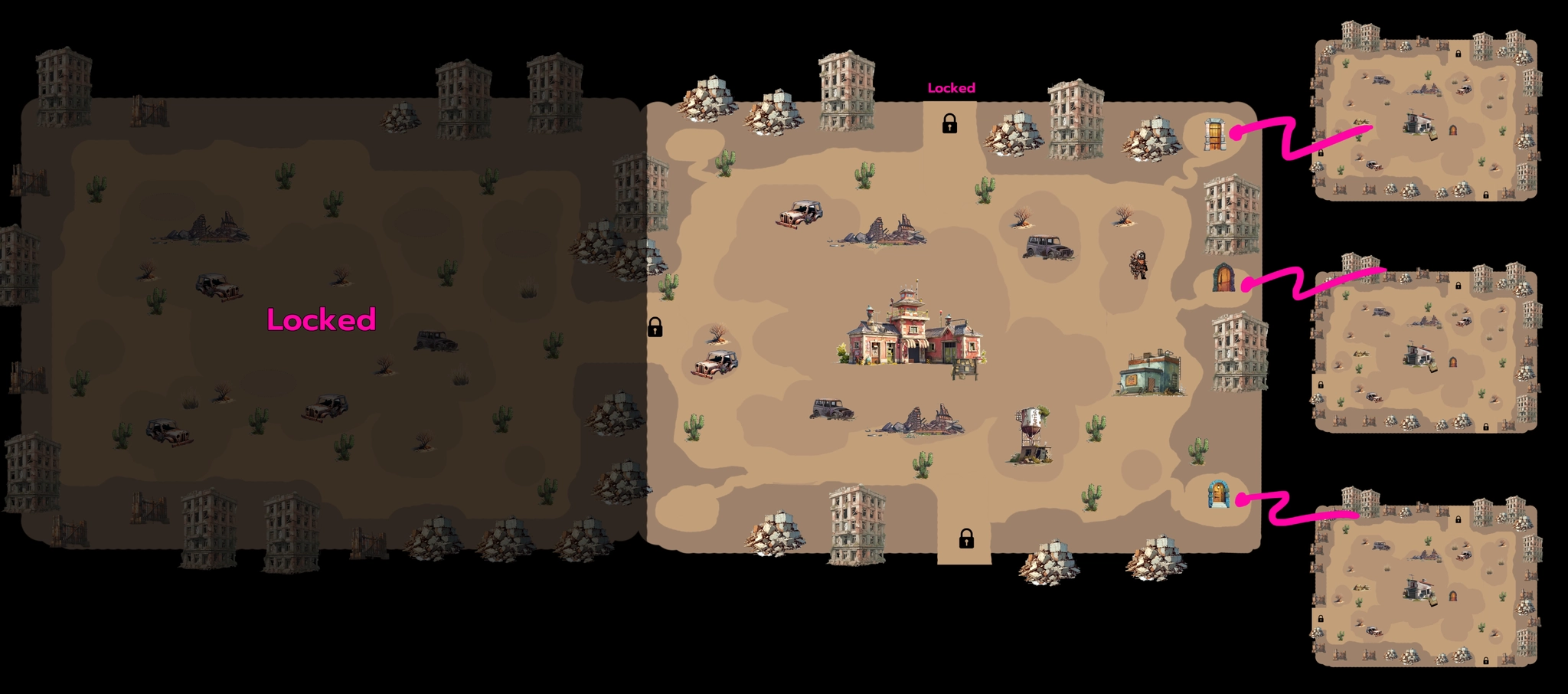
Scrapyard foreground concept

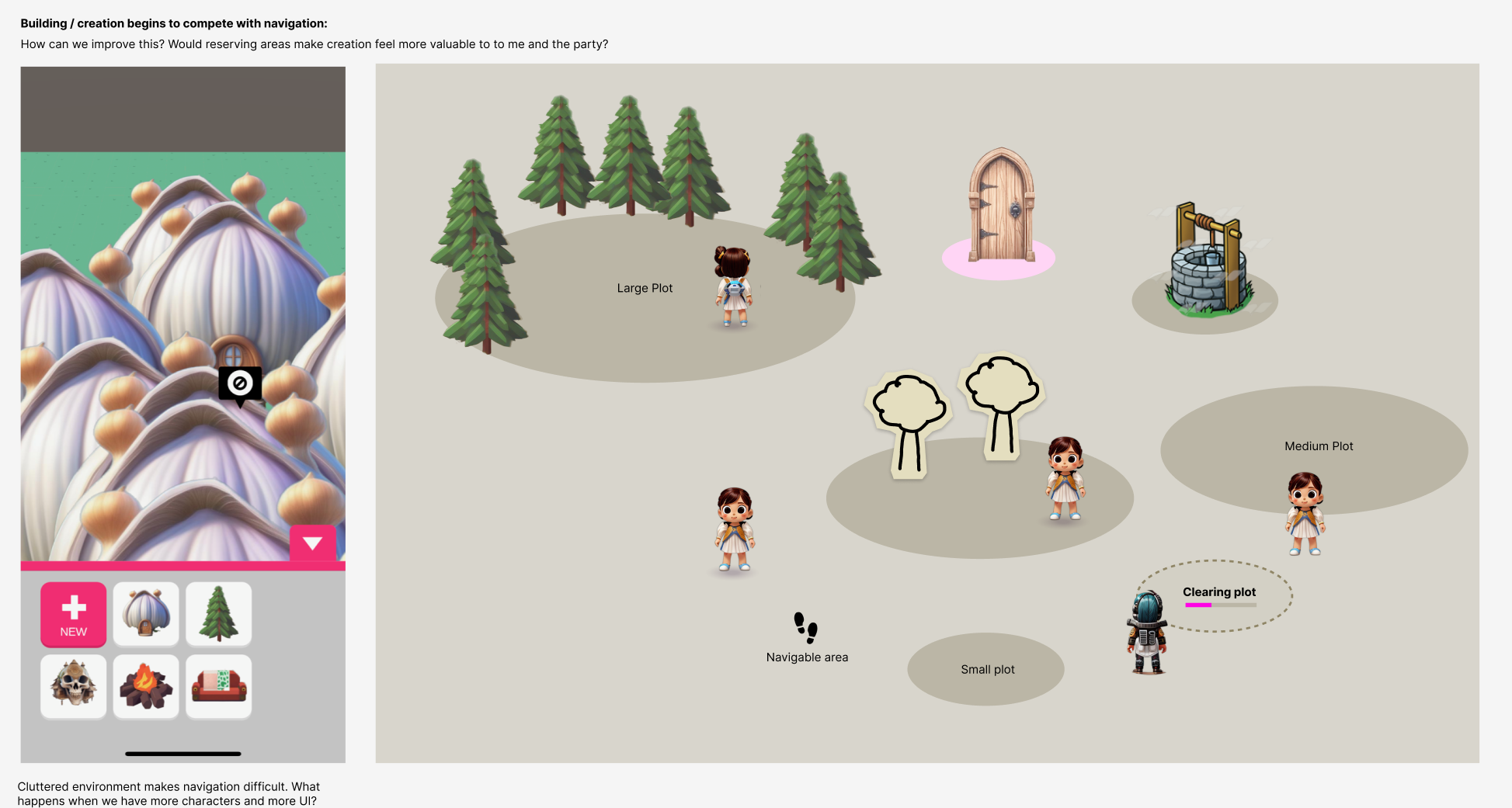
Foreground layer study to guide depth cues and player navigation.

Slide 16:9 3

Slide export used for storytelling, structure, and stakeholder review.

Slide 16:9 5

Second slide capture to show progress and decisions side-by-side.

Grouped UI artifact 271

Component grouping exploration for consistent scanning patterns.